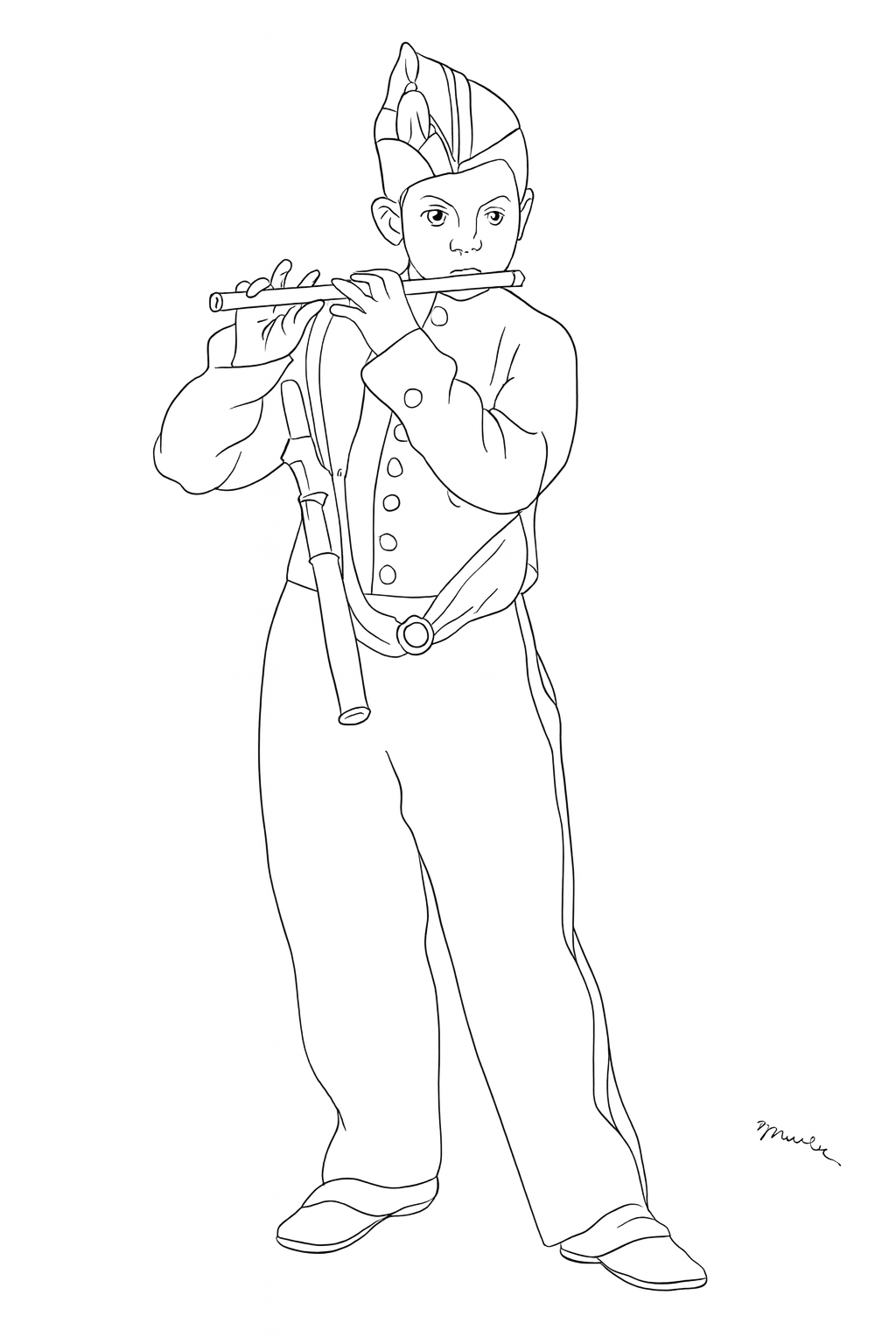
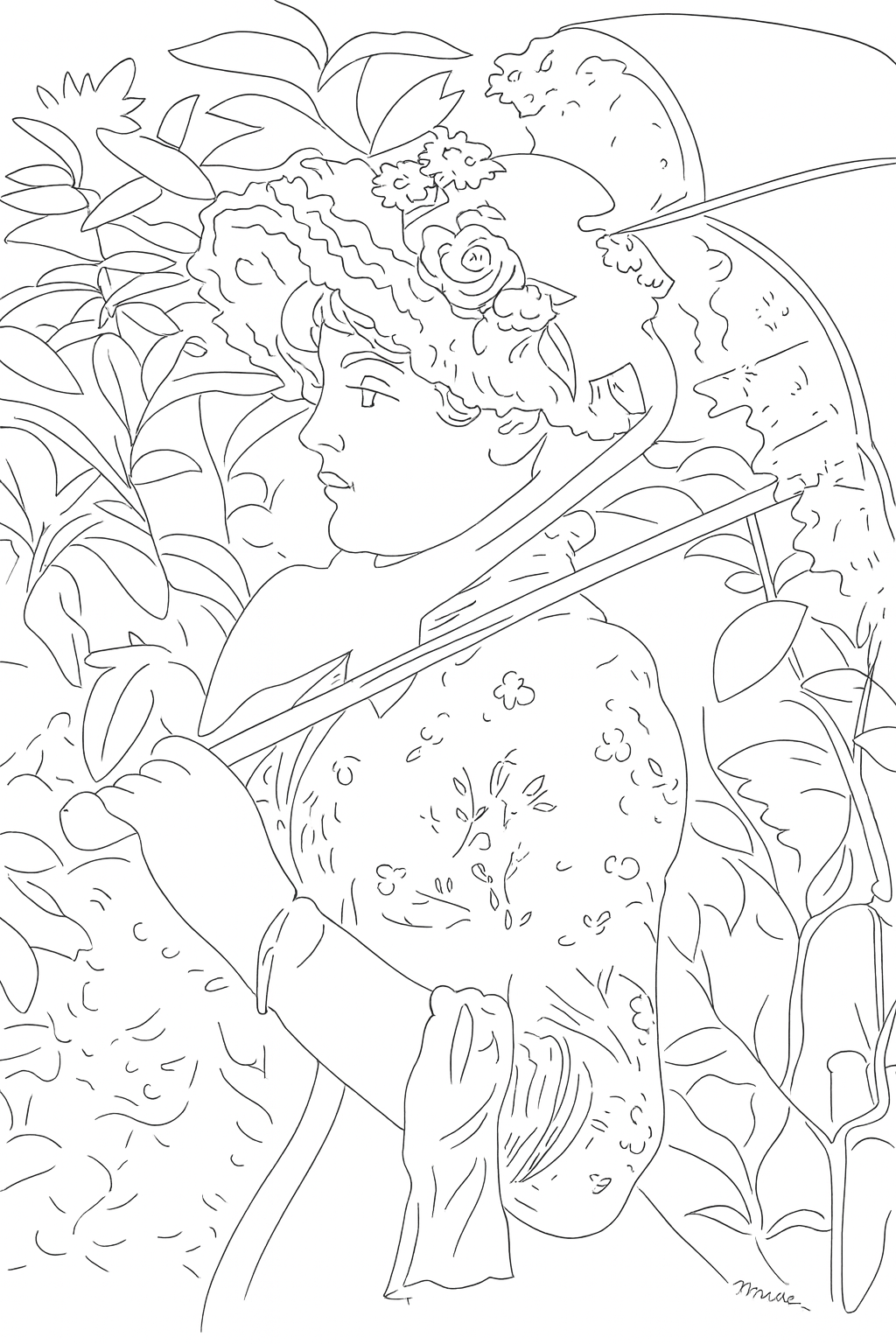
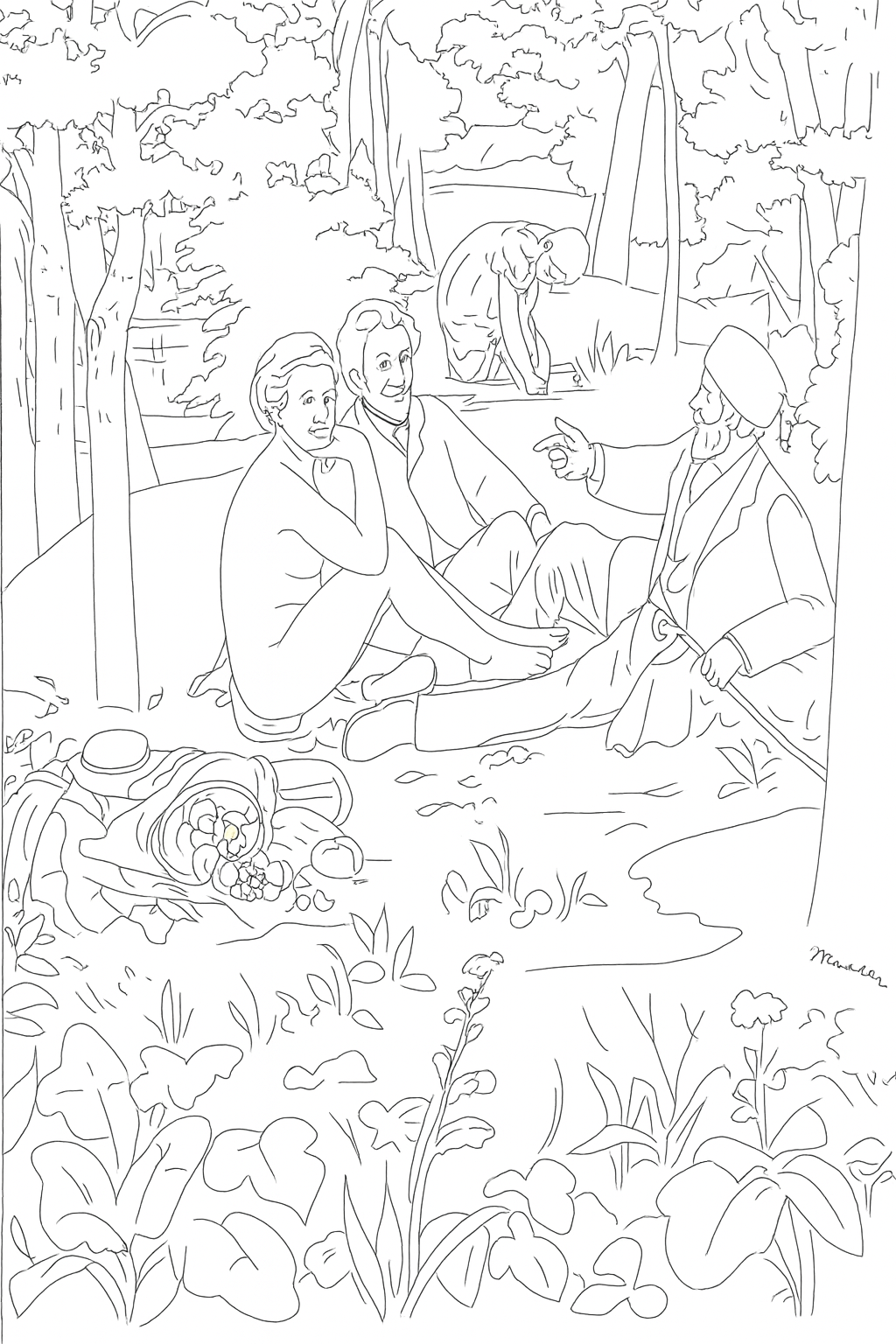
Here’s an English-blog style introduction to Édouard Manet’s masterpieces, framed around the idea of turning them into coloring pages for art lovers and learners:
Bringing Manet to Life: Coloring the Masterpieces of Édouard Manet
When one hears the name Édouard Manet, it evokes images of provocative modern life, bold brushwork, and a rupture from academic tradition. He is often seen as a pivotal figure connecting Realism and Impressionism.
But what if you could interact with Manet’s art in a more tactile, personal way—by coloring it yourself? In this post, I’ll introduce a few of his famous works and explain how turning them into coloring pages can deepen your appreciation.
Why Coloring a Masterpiece?
- Active Engagement: When you trace outlines and choose colors, you slow down and observe details you might otherwise miss.
- Learning by Doing: You start to sense how Manet composed his scenes, how forms relate, and where contrasts or negative space emerge.
- Accessible Art Appreciation: Even if you’re not an art scholar, a coloring version of a painting invites you to explore and experiment.
Many art-coloring books already adopt this method—for example, Color Your Own Manet Paintings features 30 Manet works reinterpreted for coloring. And websites like JustColor offer printable “masterpiece coloring pages” adapted from Manet’s paintings, such as Argenteuil and The Railway.
Selected Masterpieces by Manet & Suggestions for Coloring
Below are a few famous works by Manet, and how they could be approached as coloring-page projects.
| Painting | Why It’s Significant | Coloring Approach |
|---|---|---|
| Le Déjeuner sur l’herbe (1863) | A scandalous break from tradition, mixing clothed and nude figures in a modern park setting. | Turn figures and foliage into clean outlines; include faint shading lines for depth in fabric and shadows. |
| Olympia (1863) | A bold, confrontational nude that challenged conventions. | Simplify the forms: Olympia, the maid, the flower, the drapery. Let the colorist experiment with skin tones, drapes, and contrasts. |
| The Railway | A modern scene capturing contemporary life and the effects of light and shadow. | Outline the figures, the fence, the locomotive, and the steam. You can leave some areas blank to evoke atmospheric space. |
| The Croquet Party (1871) | A vivid outdoor leisure scene that hints at Impressionist techniques. | Emphasize the figures, the lawn, the trees, and accessories like mallets—use light crosshatching to suggest texture. |
| Boating | A relaxed riverside scene with reflections and casual poses. | Draw delicate outlines of boat, water, and figures; draw ripples and reflections more faintly to guide color |